
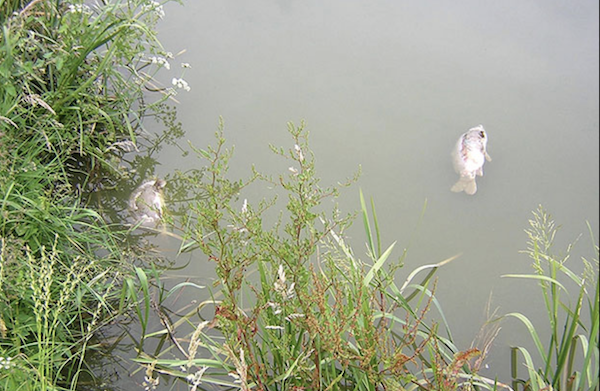
The Fish Health Inspectorate (FHI) has changed the way it may respond to or control KHV (Koi herpesvirus) in recreational fisheries.
Where a mortality is consistent with KHV disease, the FHI will no longer be undertaking routine sampling of fisheries or imposing statutory control measures upon suspicion or confirmation of disease.
KHV will remain a listed disease with a legal requirement to notify suspicion to the FHI. All reports will be communicated centrally by its National Fisheries Laboratory. The FHI remains responsible for statutory surveillance and control of listed aquatic animal diseases, including KHV. These changes have been brought in immediately.
Whilst the evidence would suggest KHV is now widespread nationally, the disease still presents a risk to recreational fisheries, causing significant mortalities each year. As part of its statutory duty to maintain, improve and develop fisheries, the FHI will continue to play a key role in responding to fish health incidents and reducing the risk of KHV spread between recreational fisheries during or following a disease outbreak. This period represents the greatest risk of disease transfer to healthy fisheries.
To help manage the risk to recreational fisheries from KHV disease, changes have been announced HERE but, in summary, FHI may choose to not authorise the use of equipment at waters affected by an outbreak of KHV, under the Salmon and Freshwater Fisheries Act 1975 (SAFFA). Applications may be authorised once temperatures have dropped below those associated with outbreaks of KHV disease and fish deaths have stopped.
These actions are intended to support good fisheries management and biosecurity, particularly during periods when the risk of KHV disease expression and onward spread may be higher. The FHI will continue to work closely with the fishery owners to provide them with advice and guidance to support them during and after an outbreak.